Technology is reshaping nearly every aspect of modern life, including how older adults receive care and maintain independence. When it comes to technology in senior care, innovation is not about replacing human connection. Instead, it is about strengthening safety, improving communication, and supporting confidence for residents and their families.
At Crestwood Manor, technology is thoughtfully integrated into care delivery to support health monitoring, safety, and day-to-day living while always working alongside personalized, professional care. As interest grows around AI in senior living and connected care environments, families want to understand what these tools actually do and how they improve real outcomes.
The Growing Role of Technology in Senior Care
The use of technology in senior settings has expanded significantly over the past decade. According to the National Institute on Aging, digital health tools such as remote monitoring, wearable devices, and electronic health records are increasingly used to support older adults and care teams.
This evolution reflects a broader shift toward proactive, data-informed care. Technology in senior care today helps providers respond faster, personalize support, and reduce avoidable risks while maintaining dignity and independence.
Rather than replacing caregivers, these tools enhance their ability to deliver consistent, attentive care.
Fall Detection and Prevention Technology
Falls remain one of the most serious health risks for older adults. The Centers for Disease Control and Prevention reports that one in four adults aged 65 and older experiences a fall each year, underscoring the need for prevention and rapid response.
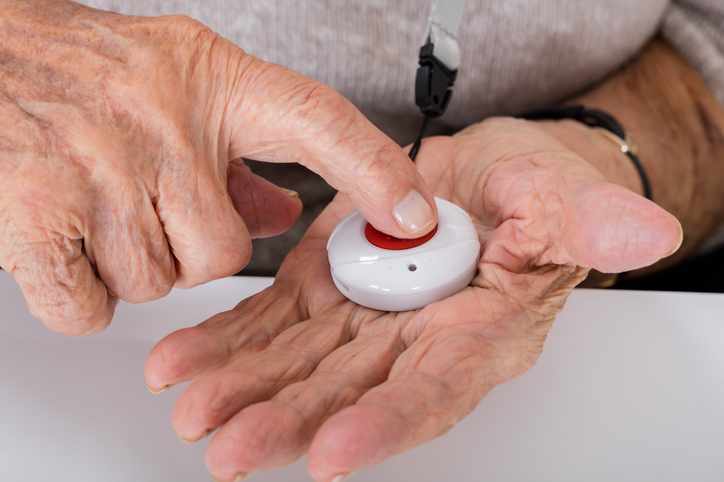
This is where fall detection technology and smart fall prevention technology for seniors play an essential role.
These tools may include:
- Motion sensors that detect unusual movement patterns
- Wearable devices that alert staff when a fall occurs
- Monitoring systems that support quicker response times
Technology designed for fall prevention does not eliminate risk, but it strengthens safety by ensuring faster awareness and response. This is especially important in skilled nursing and rehabilitation settings where mobility challenges are common.
Wearable Health Devices and Monitoring
Wearable health technology has become increasingly sophisticated. Devices can now track metrics such as heart rate, activity levels, and sleep patterns. According to a review published by the National Library of Medicine, wearable monitoring tools can support early detection of health changes when used alongside clinical oversight.
In senior care settings, this type of technology to monitor senior resident safety supports clinical teams by providing additional data points that inform care decisions.
Importantly, these tools work best when paired with professional evaluation and hands-on care, which remains the foundation of high-quality skilled nursing.
Medication Support and Safety Technology
Medication management is another area where technology supports resident safety. Missed doses or incorrect administration can lead to serious complications, especially for individuals managing multiple prescriptions.
Technology-assisted medication systems can help by:
- Supporting accurate tracking and documentation
- Reducing the risk of errors
- Enhancing communication among care team members
These systems are part of a broader commitment to quality and accountability in care delivery.
How Technology Supports Independence
Families want to feel informed and confident in the care their loved one receives. How technology increases transparency in senior care is one of the most meaningful benefits of modern systems.
Electronic documentation, care planning platforms, and secure communication tools help ensure consistent, measurable care and precise documentation. This transparency supports trust and allows care teams to collaborate effectively.
While safety and communication are critical, technology also helps preserve independence. Smart systems can reduce unnecessary interruptions, support routine monitoring without constant oversight, and allow residents to focus on recovery, engagement, and comfort.
When used thoughtfully, AI in senior living environments enhances independence by creating a more responsive and supportive care setting.
Technology Works Best When Paired With Personalized Care
Crestwood Manor integrates technology in senior care in ways that support clinical excellence while keeping care personal and resident-focused. It’s not about complexity. It’s about reliability, safety, and supporting the skilled professionals who provide care every day.
It is important to remember that AI in senior living alone does not deliver quality care. The most effective senior care environments use innovation as a complement to experience, compassion, and clinical expertise.
At Crestwood Manor, technology supports a care model built on:
- Individualized care plans
- Skilled nursing and rehabilitation expertise
- Ongoing assessment and communication
- A commitment to resident dignity and comfort
This balance builds confidence among residents and peace of mind for families.
Learn More About Care at Crestwood Manor
If you are exploring skilled nursing or rehabilitation options and want to understand how modern technology supports safety, recovery, and independence, Crestwood Manor welcomes you to learn more.
We invite you to schedule a tour, meet the care team, and see how technology and personalized care work together to support residents every day.